
Traditional Specialities Guaranteed in Peru: a route to promote gastronomic tourism
Traditional Specialities Guaranteed in Peru offer a specialized intellectual property tool with significant potential to protect traditional recipes, preserve culinary heritage and strengthen the country’s position as a leading gastronomic tourism destination.
Unlike appellations of origin or geographical indications, this figure does not focus on where a food product is made. Instead, it protects the traditional recipe, composition or production method. This makes it possible to recognize the cultural value of a preparation while allowing any producer who complies with the approved specification to use the protected designation.
What are Traditional Specialities Guaranteed?
Traditional Specialities Guaranteed, or TSGs, identify agricultural or food products with specific characteristics derived from a traditional recipe, composition or method of production. Their main purpose is to preserve culinary knowledge passed down through generations and provide consumers with a clear sign of authenticity.
Under the Peruvian regime, a culinary practice may be considered traditional when it has been used for at least 20 years. The product must also be clearly distinguishable from similar preparations based on its ingredients, composition, organoleptic characteristics or production process.
A strategic opportunity for Peruvian gastronomy
Peruvian gastronomy is one of the country’s most valuable cultural assets. In this context, TSGs can help transform traditional recipes into economic assets without separating them from their cultural roots. Their recognition can create added value, support fair competition among producers and reinforce the identity of the communities linked to each preparation.
In his article, Gino Piaggio explains how this figure can also contribute to local development, especially when aligned with tourism strategies, gastronomic fairs, culinary routes and cultural promotion initiatives.
Progress of the TSG system in Peru
Peru has already started recognizing several traditional specialities. The examples mentioned include:
- Anise bread from Concepción, the first TSG granted in Peru.
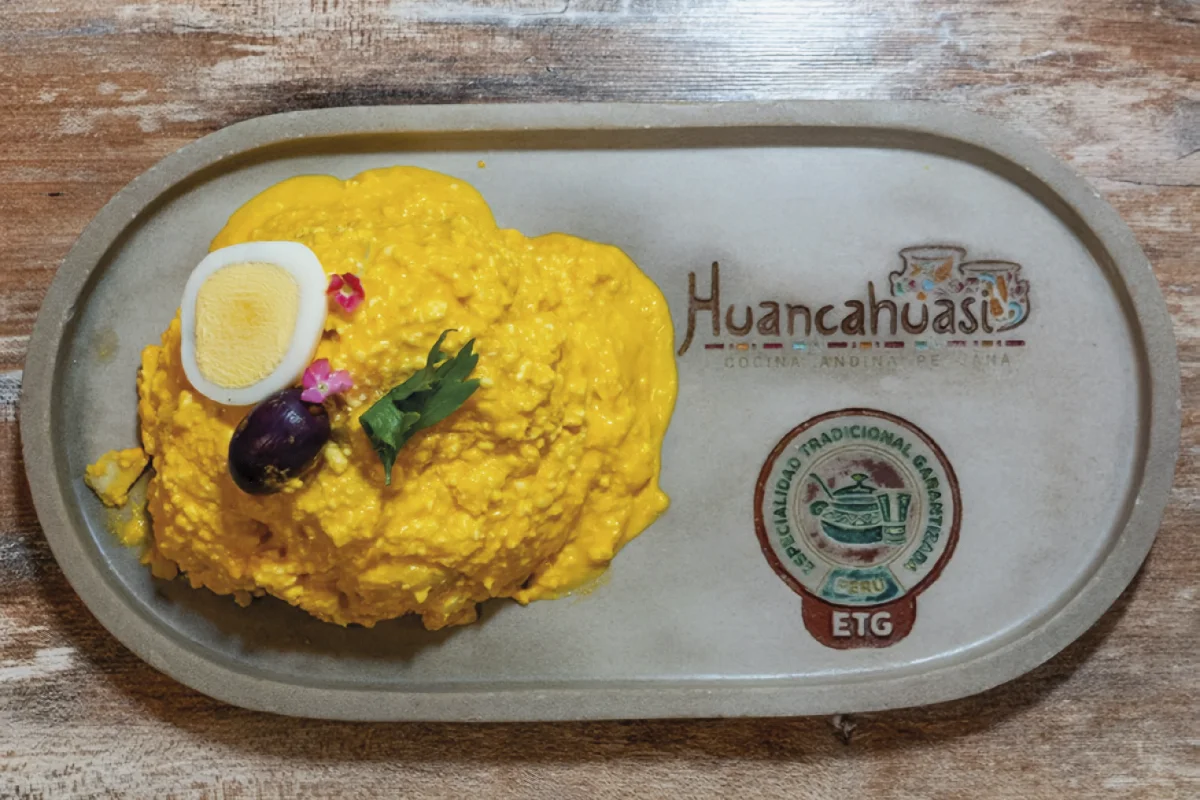
- Huancaína potato according to the Huancayo tradition.
- Ocopa from Arequipa.
- “Sopa de novios” according to the Cura Mori tradition.
- Butter rings from Cajamarca.
- Prestiños from Huánuco.
- Chacayano bread or Usa Tanta.
These recognitions show how traditional recipes can be protected through intellectual property while also becoming tools for tourism promotion and regional development.
Economic and tourism impact
Gastronomic tourism continues to grow as travelers seek authentic experiences connected to the culinary culture of the places they visit. In this scenario, TSGs can help build gastronomic routes that connect producing communities, traditional restaurants, local markets and culinary events.
Official recognition not only communicates quality and authenticity. It can also increase demand for local inputs, strengthen the transmission of culinary knowledge and create new opportunities for producers, cooks and regional businesses.
Challenges and outlook
Although the TSG regime in Peru is still recent, its development faces important challenges. These include the need for greater awareness among producers and communities, the creation of organized associations to promote registration applications, and stronger coordination with tourism and rural development policies.
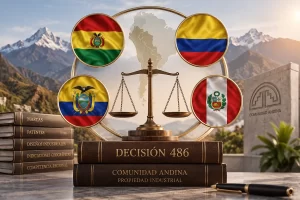
Strengthening this system, together with a future Andean regulatory framework, could expand the protection of traditional recipes and enhance the international projection of Peruvian and regional gastronomy.
Download the full article
To read the full analysis of the legal framework, the TSGs recognized in Peru, comparative experiences and the potential of this figure as a tool for tourism and economic development, download the PDF published by Gino Piaggio, lawyer at Estudio Colmenares & Asociados.